
Ingrown Toenails: Causes, Prevention, and Treatment Options
Ingrown toenails occur when the nail edge presses into or penetrates adjacent soft tissue, often due to curved or thick nails, improper trimming, tight shoes, trauma, or hereditary nail shape sports podiatrist. Early signs include focal pain, redness, swelling, drainage, and granulation tissue. Prevention focuses on straight-across trimming, roomy footwear, moisture control, and callus care. Initial home care includes warm soaks, topical antiseptics, pain relief, and pressure relief; persistent or worsening cases require clinical procedures and possible nail surgery for durable control, with further details available.

What Causes Ingrown Toenails and How to Spot Early Warning Signs
In clinical practice, ingrown toenails most commonly result from a combination of nail plate morphology, improper trimming, and external pressure: a curved or thickened nail edge penetrates adjacent soft tissue, particularly when nails are cut too short or rounded, when footwear compresses the forefoot, or when repetitive trauma alters nail growth.
Etiology includes genetic predisposition affecting nail morphology, systemic conditions that modify keratinization, and local factors such as prior injury. Early warning signs are focal erythema, pain at the lateral nail fold, serous drainage, and progressive soft-tissue swelling. Examination should note nail curvature https://peoplepodiatry.com.au/, spicule formation, and any granulation tissue.
Timely recognition permits conservative management or referral. Documentation of risk factors supports targeted interventions respecting patient autonomy.
How to Prevent Ingrown Toenails With Trimming, Footwear, and Hygiene
Adopt evidence-based nail care and footwear strategies to reduce the risk of ingrown toenails by addressing the primary modifiable contributors: improper trimming, mechanical pressure, and local skin conditions. Practical guidance emphasizes consistent Nail shaping—trim straight across, avoid rounded corners, and keep nails at a moderate length.
Prioritize Footwear fit: roomy toe box, stable heel, and appropriate sock choice to minimize lateral pressure. Maintain hygiene and skin care: keep toes clean, dry, and moisturized at the nail fold to prevent maceration and hyperkeratosis. Seek professional assessment for recurrent problems or structural foot abnormalities.
- Trim straight across; avoid aggressive corner clipping.
- Choose shoes that allow toe splay; re-evaluate fit regularly.
- Use breathable socks; change when damp.
- Address callus or nail dystrophy with a clinician.
Home Treatments You Can Try Now to Relieve Pain and Stop Infection
For immediate relief and to reduce infection risk, begin with conservative, evidence-based measures that can be performed at home: soak the affected toe in warm water for 10–20 minutes two to three times daily to reduce swelling and pain, gently lift the ingrown edge with a clean cotton or dental floss loop after softening to relieve pressure if tolerated, apply an over-the-counter topical antibiotic ointment and a sterile dressing to protect the nail fold, take oral analgesics (acetaminophen or NSAIDs) for pain control as needed, and wear open-toe or roomy footwear until symptoms improve; seek prompt medical attention if there are signs of spreading infection (increasing redness, warmth, purulent drainage, fever), uncontrolled diabetes, peripheral vascular disease, or failure to improve within 48–72 hours.
Additional measures include regular soothing footbaths, careful use of antiseptic dressings, avoidance of tight footwear, and maintaining nail-edge hygiene to limit contamination and promote healing.
When to See a Doctor and What to Expect From Office Procedures
When symptoms persist beyond 48–72 hours or signs of spreading infection, systemic illness, or compromised circulation appear, medical evaluation is warranted. Clinician assessment clarifies severity, documents vascular and neurologic status, and determines office procedure suitability. Patients seeking decisive relief are offered clear options and informed consent.
- Brief procedures commonly performed under local anesthesia discuss anesthesia options and expected duration.
- Wound cleaning, drainage of acute abscesses, and minor soft-tissue debridement are routine.
- Documentation of follow up care instructions and prescriptions for analgesia or topical agents is provided.
- Scheduling and criteria for referral to specialty care are explained, including signs that require earlier re-evaluation.
Expect concise, practical instructions and a plan emphasizing rapid recovery and preserved mobility.
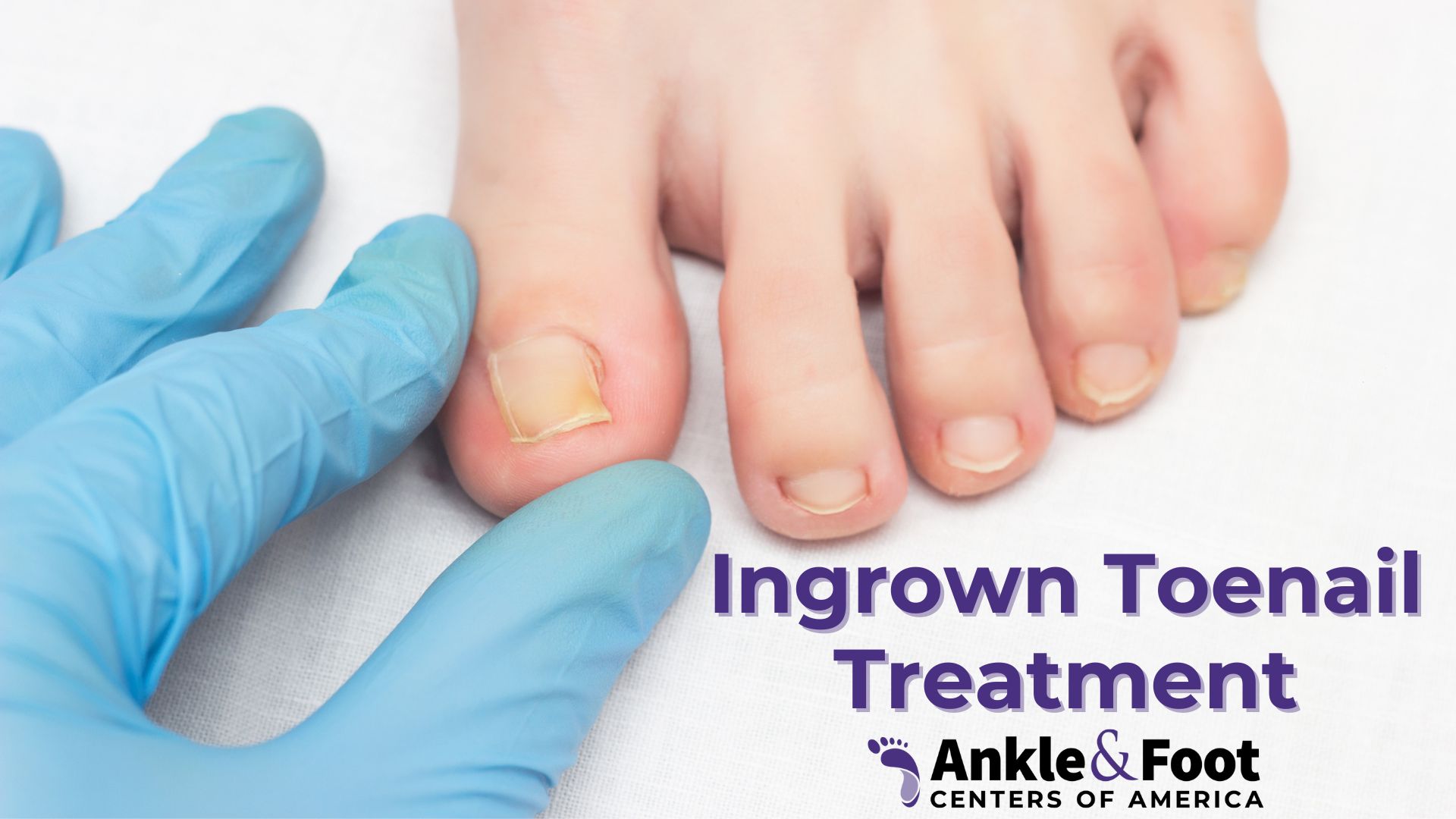
Comparing Medical Options: Antibiotics, Partial Nail Removal, and Matrix Ablation
After initial assessment and any necessary acute interventions, clinicians compare definitive management options—oral or topical antibiotics, partial nail avulsion (with matricectomy when indicated), and chemical or surgical matrix ablation—based on infection severity, recurrence history, comorbidities, and patient preference. Choice balances short-term infection control with long-term recurrence prevention and respects antibiotic stewardship principles; antibiotics treat infection but do not fix structural causes. Partial avulsion with matricectomy offers durable relief for recurrent or severe cases. Matrix ablation is definitive when conservative measures fail or anatomy predisposes to recurrence. Shared decision-making emphasizes recovery time, complication risk, and lifestyle needs.
| Option | Indication | Key considerations |
|---|---|---|
| Antibiotics | Active infection | Stewardship, limited role alone |
| Partial avulsion | Recurrent/embedded nail | Lower recurrence with matricectomy |
| Matrix ablation | Structural predisposition | Higher durability, surgical risks |
Conclusion
Ingrown toenails are a common, often preventable condition that responds well to early, evidence‑based interventions. Prompt identification, correct trimming, appropriate footwear, and basic hygiene reduce risk and severity. Initial management includes conservative home care and topical measures; persistent, recurrent, or infected cases warrant clinical evaluation for procedures such as partial nail avulsion or matrix ablation and targeted antibiotics when indicated. Timely, proportionate treatment minimizes complications and restores function with predictable outcomes.